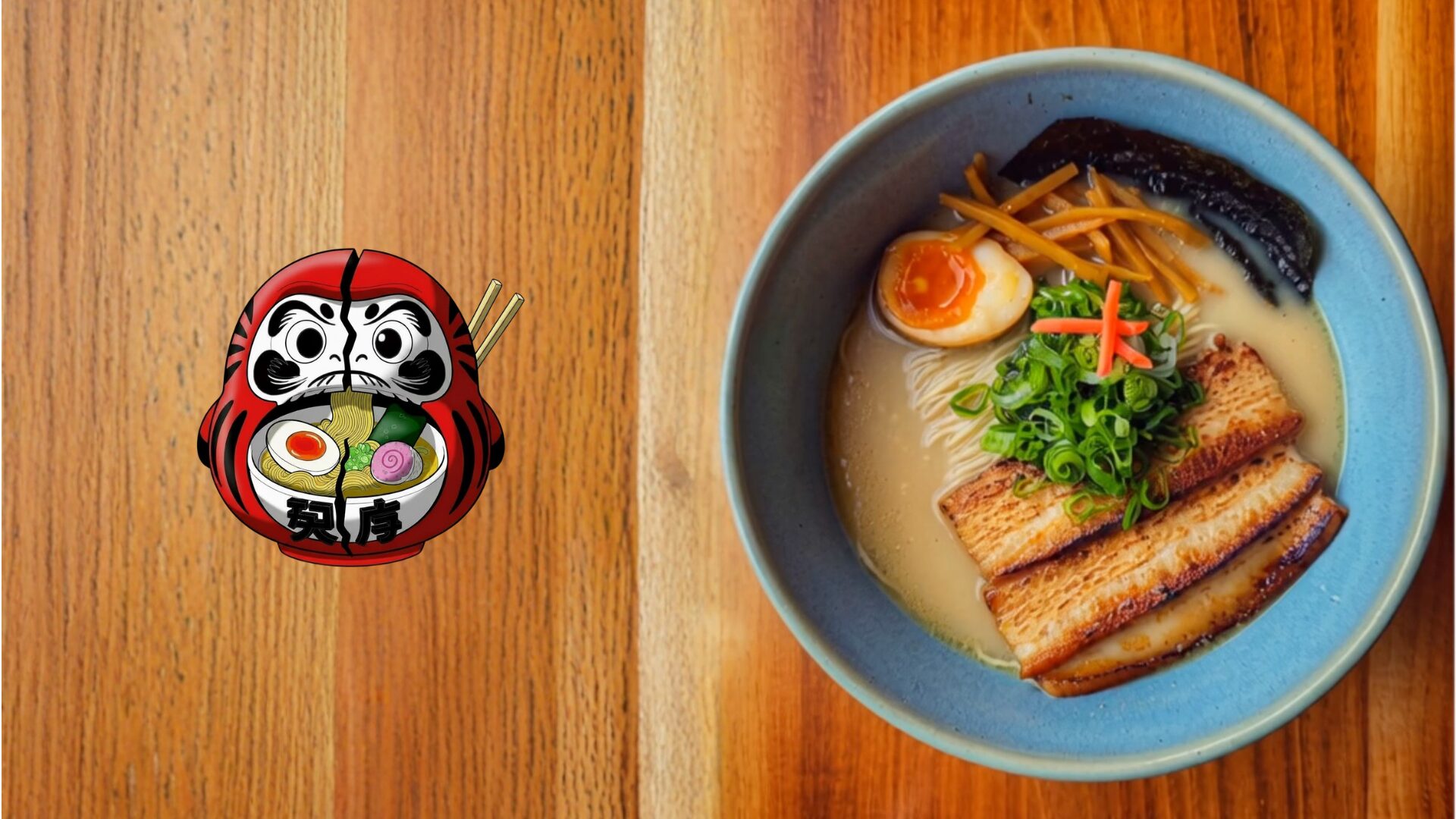
Ramen Tuesdays at Temper & Brown are quickly becoming one of those nights people plan their week around. Bowls come out rich, steaming and full of intent deep broths, perfectly cooked noodles, and toppings that hit every note from comfort to umami overload. It’s not just food, it’s a bit of theatre; you can feel the care in every ladle.
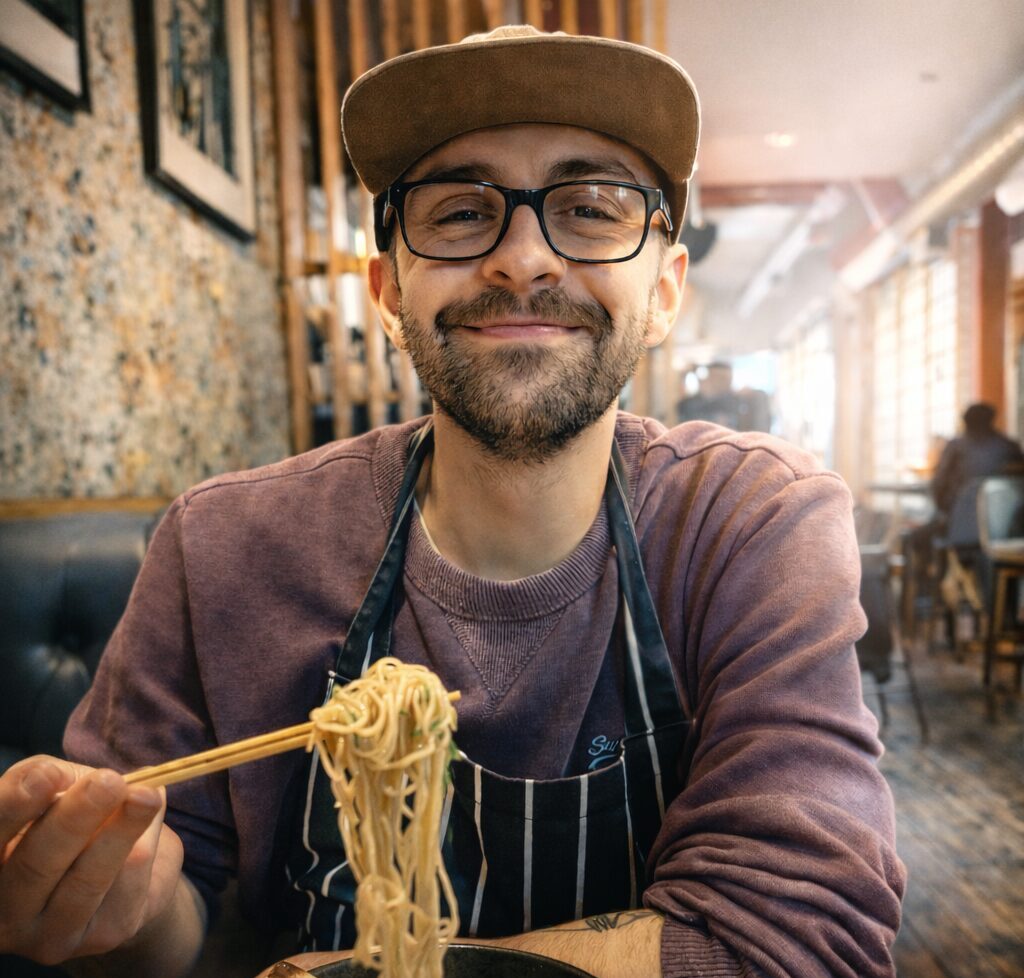
Behind it all are Liam and Ryan, the two chefs driving the whole thing forward. Liam brings that obsessive attention to detail the kind that comes from years of chasing the perfect bowl while Ryan adds his own flair, balance and punch to the flavours. Together they’ve created something that feels both authentic and personal. It’s proper ramen, done properly, right here in the Jewellery Quarter.
The Menu
Ramen Tuesdays are all about deep, comforting bowls packed with flavour and proper craft. The menu from Kyoudai Ramen brings a tight but serious lineup, from the rich and creamy Tonkotsu ramen with pork belly and silky ajitama egg, to the lighter but still punchy Chicken paitan with crispy fried chicken thigh. If you’re after something a bit different, the Tantanmen delivers a bold, nutty kick with miso, sesame and soy milk broth, while the Iekei ramen goes all in with a 50/50 broth and double protein for those who want the full experience.
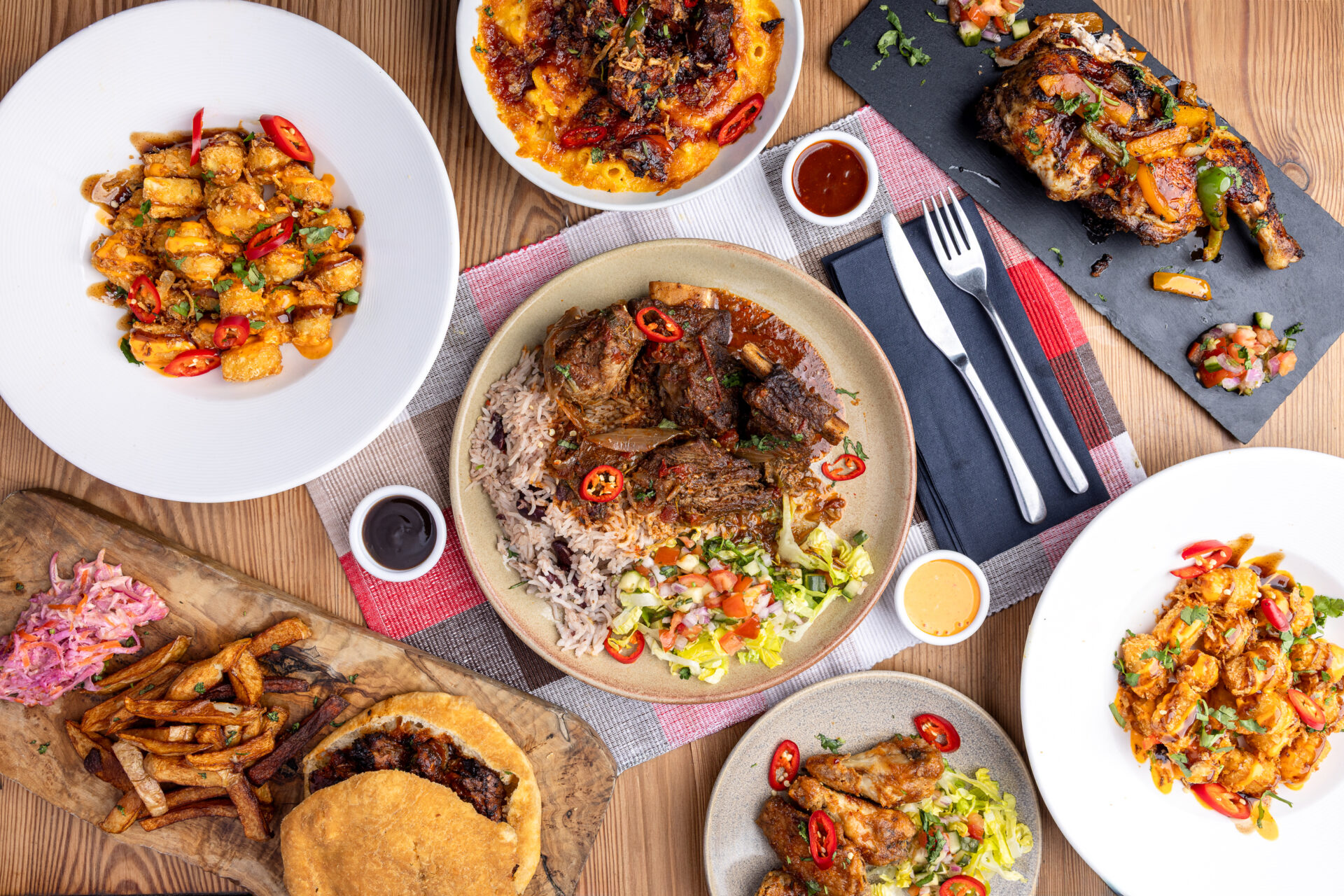
It’s not just about the bowls either. The sides are built to share, or not if you’re that way inclined. Think crispy nanban chicken with house tartare, sticky tebasaki wings glazed in honey, soy and chilli, and comforting bites like korokke and charred edamame. Add in extras like pork belly, chicken thigh or extra noodles and you’ve got a night that’s less a meal and more a full-on ramen session.
The History of Ramen
Ramen’s story begins in China, not Japan. Wheat noodles in broth had been eaten across China for centuries, but it was in the late 19th and early 20th centuries, as trade between China and Japan increased, that these dishes made their way to Japanese port cities like Yokohama. Early versions were known as “shina soba” and were sold by street vendors to workers needing something quick, cheap and filling. The real turning point came after the Second World War, when food shortages and American wheat imports made noodles more accessible. Ramen stalls flourished across Japan, becoming a staple of everyday life.
From there, ramen evolved into something deeply Japanese and regionally distinct. Different areas developed their own styles — rich pork-based tonkotsu from Fukuoka, soy-based shoyu ramen from Tokyo, and miso ramen from Sapporo, each reflecting local tastes and ingredients. In 1958, instant ramen was invented by Momofuku Ando, turning it into a global phenomenon. What started as humble street food is now both a cultural icon and a culinary obsession, with chefs around the world — like your own Liam and Ryan — putting their own spin on a dish that balances tradition, craft and comfort in every bowl.